President Paul Kagame’s story is one of courage, discipline, and determination, a journey that began in the refugee camps of Uganda and led him to become one of Africa’s most respected leaders.
Born in 1957 in Rwanda’s Southern Province, Kagame’s early life was shaped by hardship and resilience. His parents, Deogratias Rutagambwa and Asteria Bisinda, were known for their honesty and strong values. When violence erupted in Rwanda during the 1959 Revolution, targeting the Tutsi people, his family fled their home and crossed into Uganda in 1961, seeking safety.
Life in exile was not easy. The Kagames lived in several refugee camps, including Rukinga, Nshungerezi, and Gahunge. But even as a child, Kagame stood out. Those who knew him describe him as quiet but confident, a boy who respected others and always asked questions. “He was different,” one of his childhood friends recalled. “Even at a young age, he wanted to understand everything around him.”
While many struggled with the challenges of refugee life, Kagame focused on education. At Rwengoro School in the Gahunge camp, he became known for his discipline, cleanliness, and love for learning.
His teachers often praised his focus and curiosity. One of them remembered a foreign visitor who promised to send hardworking students to Ntare School, one of Uganda’s best secondary schools. Kagame’s hard work earned him that opportunity.
It was at Ntare School that Kagame began to shape his identity, a young man deeply proud of his Rwandan roots, yet eager to learn and serve.
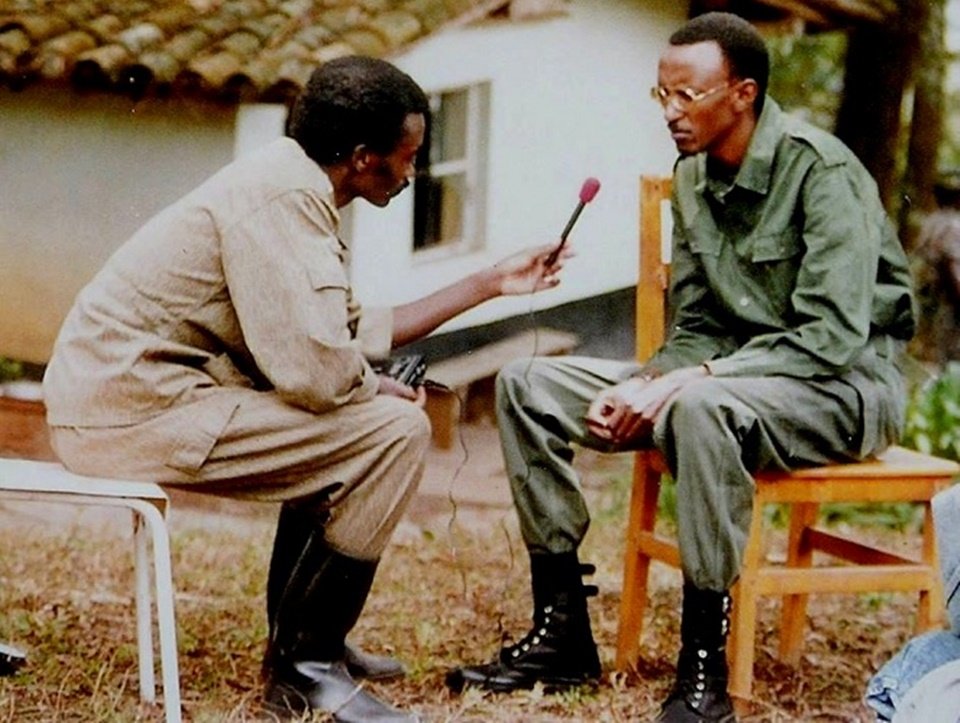
After completing his studies, he went on to Old Kampala School, but his path soon changed. Instead of going to university like most of his peers, Kagame chose to join the Ugandan liberation struggle in 1981, believing that fighting for freedom was the first step toward rebuilding Rwanda.
He began his military journey when he joined the attack on Kabamba Military Training School, marking the start of Uganda’s fight against dictatorship. His bravery and intelligence quickly made him stand out among the soldiers.
Kagame worked in intelligence and discipline, earning a reputation for fairness, focus, and leadership. “He never accepted injustice,” one of his comrades later said. “He treated everyone equally and always stood for what was right.”
These experiences built the foundation of the man Kagame would later become a disciplined soldier, a thoughtful leader, and a visionary president. His time in the military taught him order, patience, and the value of unity, lessons that would guide him in rebuilding Rwanda after one of the darkest periods in the nation’s history.
After the 1994 genocide against the Tutsi, Kagame played a central role in restoring peace and stability. Under his leadership, Rwanda rose from ashes to become one of Africa’s fastest-growing and most peaceful countries. He pushed for education, technology, gender equality, and unity, proving that a nation once broken could stand strong again.
Despite international criticism at times, Kagame has remained focused on his mission, ensuring that no Rwandan is left behind. He continues to reject divisions based on ethnicity or background. “We are all human,” he once said. “Our strength is in our unity, not in what divides us.”
From a barefoot child in a refugee camp to the president of a rebuilt nation, Paul Kagame’s life is a lesson in perseverance. His journey shows that no matter where one begins, with discipline, purpose, and love for one’s country, greatness is possible.
Today, Kagame is not only remembered for leading Rwanda to peace but also for inspiring a new generation to dream beyond their circumstances, just as he once did in those dusty camps of Uganda.