Africa’s top public health body is sounding the alarm over sickle cell disease, stressing that urgent action is needed as thousands of babies born with the condition die every year, even though affordable and effective treatments exist.
“Sickle cell disease has silently devastated families across Africa for generations,” said H.E. Dr. Jean Kaseya, Director-General of Africa CDC. “Every hour, 45 children are born with sickle cell disease in Africa, and most will not celebrate their fifth birthday because of limited access to early diagnosis, treatment, and support systems. This must change.
Through our initiative A New Day for Children with Sickle Cell Disease, we are determined to integrate SCD into primary health care, strengthen prevention and early detection, expand access to affordable medicines, and give every child the chance to live a full and productive life.”
Sickle cell disease is the world’s most widespread inherited blood disorder, particularly affecting sub-Saharan Africa. Those who survive childhood often endure constant pain, disability, emotional stress, and financial strain.
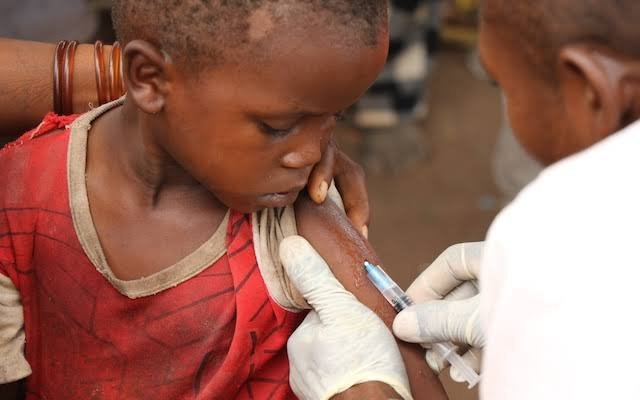
The disease also places an enormous burden on families and national health systems. However, proven interventions, such as newborn screening, immunisation, malaria prevention, antibiotic use, and hydroxyurea treatment, significantly improve survival.
“These interventions are feasible; they can be delivered using the existing systems in Africa, and we can afford them. What we need is leadership, support from partners to get started, and commitment by all stakeholders to implement them to save our children and our continent from this burden,” said Dr. Joseph Lubega, Director for Texas Children’s Global HOPE.
The Africa CDC explained that the new initiative builds on its Non-Communicable Diseases, Injuries, and Mental Health Promotion Strategy (2022–2026).
This strategy aims to strengthen health policies, expand access to essential medicines and technology, and improve health financing across the continent. It also continues earlier African Union commitments, including a landmark 2005 World Health Assembly resolution that declared sickle cell disease a major public health concern.
In 2025, Africa CDC signed a Memorandum of Understanding with Texas Children’s Global to improve primary health care for children. The agreement focuses on better access to diagnostics, medicines, vaccines, and training for health workers to tackle childhood illnesses more effectively.
During a recent gathering in New York, speakers highlighted that no single group or organisation can solve the crisis alone. They called for collaboration between governments, communities, civil society, and private partners to prevent new cases and improve care for affected families.
The meeting concluded with clear action points. African Union Member States were encouraged to support the AU Common Position on Non-Communicable Diseases, Injuries, and Mental Health at the 2026 AU Summit and adopt the Multisectoral Engagement, Coordination, and Action (MECA) framework.
Other recommendations included prioritising sickle cell disease in both national and continental health policies, integrating treatment into primary health care and universal health coverage, promoting pooled procurement and local drug production, and finalising a continent-wide strategy for SCD control by 2025.
“Africa has shown before, in the fight against HIV/AIDS and during the COVID-19 pandemic, that when we act together, we can change the course of history,” Dr. Kaseya said. “Now is the time to do the same for sickle cell disease.”