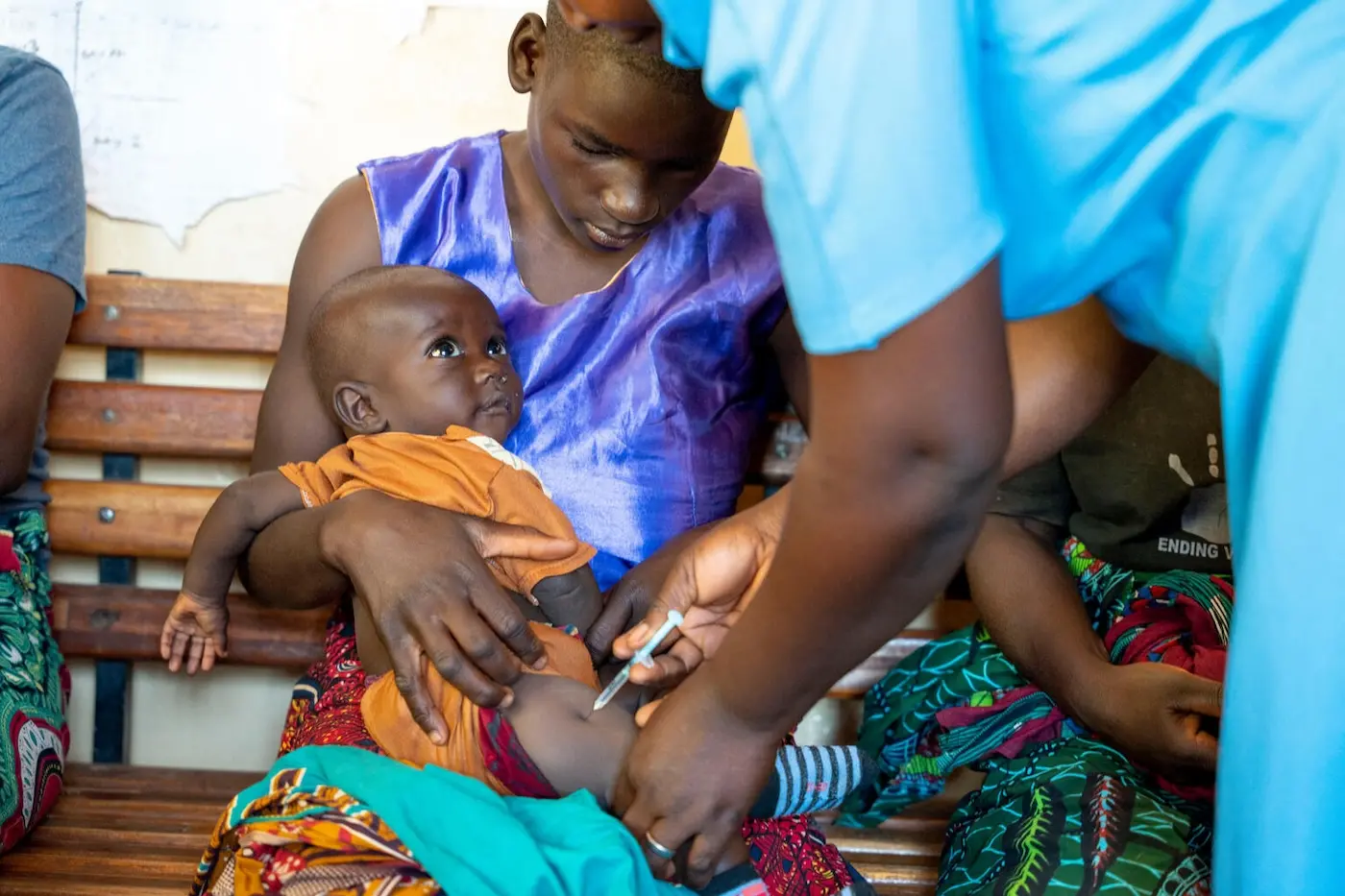
UNICEF, the United Nations Children’s Fund, is taking steps to lower the cost of the malaria vaccine.
The new arrangement will make the R21/Matrix-M malaria vaccines more accessible and affordable, helping protect more children from one of the world’s deadliest diseases, UNICEF said.
The reduced price, expected to be around $3, is set to take effect in roughly one year. The initiative, supported by Gavi and implemented by UNICEF, is projected to generate over $90 million.
This funding will enable the production of an additional 30 million doses while reaching 7 million more children with malaria protection over the next five years.
So far, more than 40 million malaria vaccine doses have been delivered through the Gavi Malaria Vaccination Programme. The vaccine is now part of routine immunization in 24 African nations, which together account for over 70% of the world’s malaria cases.
In 2023, malaria caused an estimated 263 million cases and 597,000 deaths worldwide, 11 million more than the previous year.
About 95% of deaths, mostly children under five occurred in Africa, where many people still lack access to basic malaria prevention and treatment.
In high-burden countries, malaria contributes to the largest share of hospital visits, placing a heavy financial strain on families and health systems. The World Health Organization estimates that treating an uncomplicated malaria case in sub-Saharan Africa costs $4–7 per outpatient visit, while severe cases requiring hospitalization can exceed $70.With the new deal, UNICEF aims to make malaria prevention more accessible and affordable, particularly for children in the regions that need it most.