Humanitarian emergencies are intensifying across Eastern and Southern Africa, with children bearing the brunt of rising hunger, long-running conflicts, climate-related disasters, mass displacement, and shrinking aid budgets. In response, UNICEF is appealing for US$1 billion under its 2026 Humanitarian Action for Children plan to assist 16 million children in 22 countries across the region.
UNICEF says the request comes at a critical moment, as overlapping crises and a global funding squeeze push already vulnerable families closer to the edge. The organisation’s Regional Director for Eastern and Southern Africa, Etleva Kadilli, said children’s access to lifesaving services is rapidly declining as humanitarian needs continue to grow.
Kadilli recently visited South Sudan, where she met families repeatedly displaced by conflict and floods. She described communities struggling to survive as essential services become harder to reach, noting that similar situations are unfolding across the region as aid budgets shrink and children suffer the most.
In 2025 alone, UNICEF faced one of its largest funding gaps, with nearly US$700 million, about 60 per cent of its appeal left unfunded. According to Kadilli, these shortfalls have forced tough decisions, including reducing the frequency of services or scaling back programmes that many families depend on for survival.
Despite these challenges, UNICEF and its partners have continued to deliver critical support through flexible funding. By mid-2025, close to 900,000 children received treatment for severe malnutrition, 12 million were vaccinated against measles, and about 4.4 million people gained access to safe drinking water.
UNICEF is also adjusting its humanitarian approach to meet changing needs, while remaining committed to child rights and its Core Commitments for Children in Humanitarian Action. Priorities include focusing on lifesaving assistance, strengthening partnerships with governments and local organisations, improving preparedness, and building stronger national systems to respond to emergencies.
Kadilli stressed that vulnerable children across the region must not be forgotten. She said predictable and flexible funding is vital to ensure children continue receiving lifesaving care and are able to survive and grow with dignity.
UNICEF is urging governments, donors, and private sector partners to increase investment in children, support locally led responses, uphold humanitarian principles, and remove barriers that limit access to aid.
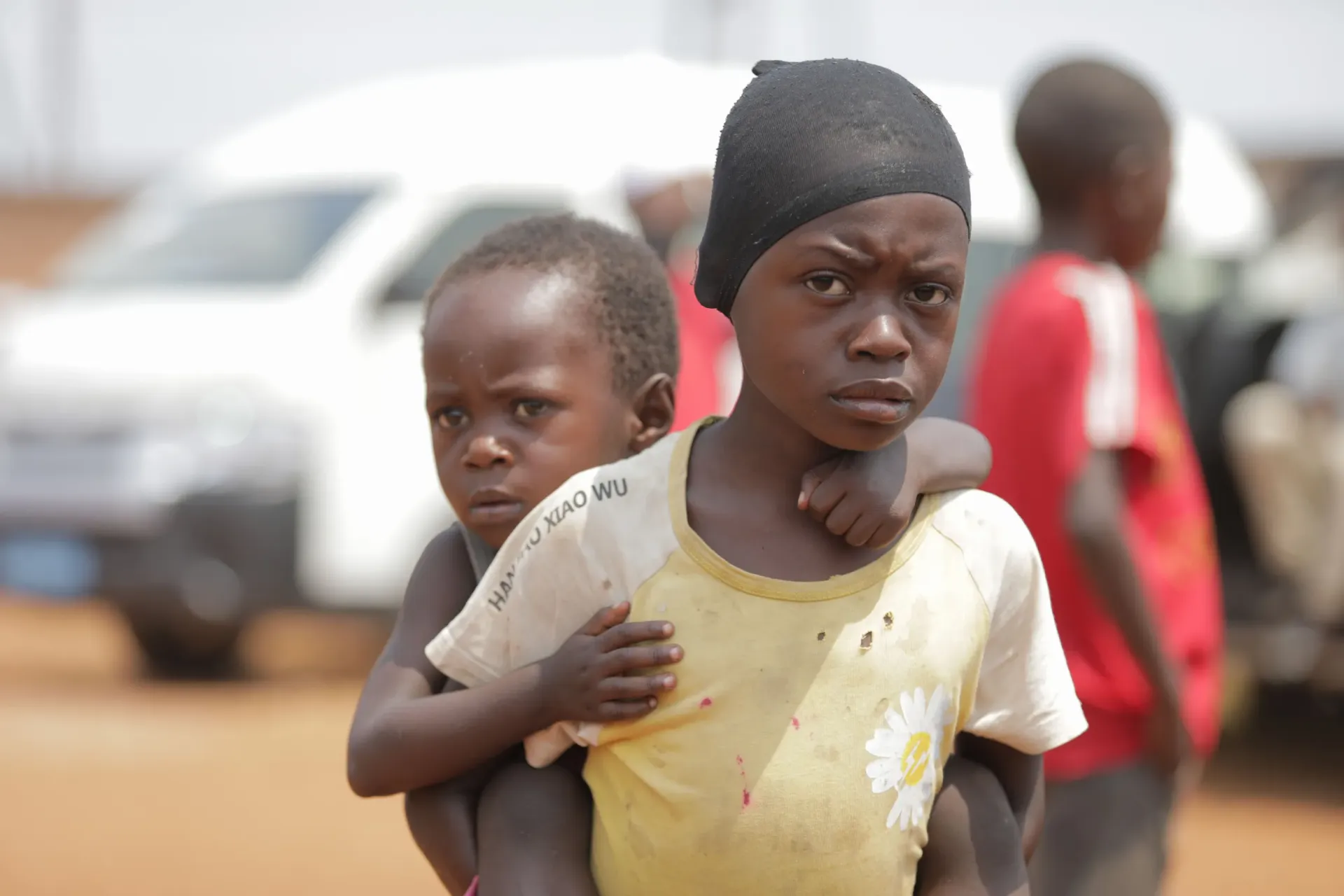
The organisation notes that Eastern and Southern Africa is facing one of the world’s largest displacement crises, driven in part by conflicts in Sudan and the Democratic Republic of the Congo. More than 13 million people have been uprooted, while millions of children face risks of violence, exploitation, hunger, disease, and missing out on education.
UNICEF remains fully donor-funded and says continued support is essential to protect the lives and futures of millions of children across the region.