Over the past week, two serious alerts have sent shockwaves through the global health space; warnings Africa, more than any other region, must urgently confront. On December 1, UNICEF cautioned that as many as 1.8 million children could die every year by 2040 if persistent funding gaps and fragile health systems are not urgently fixed.
Only days before that, the World Health Organisation (WHO) and the Joint United Nations Programme on HIV/AIDS (UNAIDS) urged African governments to renew political commitment to ending HIV, pointing to a worrying slowdown in prevention, treatment and overall public health investment across the continent.
Together, these warnings reveal a deeply troubling reality: Africa is edging dangerously close to a preventable health disaster, one that is unjust and unnecessary. The continent does not lack medical knowledge, scientific evidence or technology to save its children and adolescents. What remains in short supply is sustained political will, long-term investment and the resolve to place human lives above short-term political interests.
UNICEF’s projection is grounded in data and current trends, making it impossible to dismiss. It is especially disturbing because the world had made significant progress in cutting child mortality over the last two decades. Expanded immunisation, reduced malaria deaths and better maternal and newborn care all contributed to this success.
Today, those gains are slipping away. Funding for child health programmes has become unstable. Vaccine hesitancy, driven by misinformation, is spreading. Climate change is worsening malnutrition, disease outbreaks and displacement. Conflict, inflation and economic hardship are pushing more families into poverty.
Africa’s rapidly growing population adds further strain, with more children being born into already overstretched and underfunded systems. The warning from UNICEF is clear: without urgent action, two decades of progress could be undone.
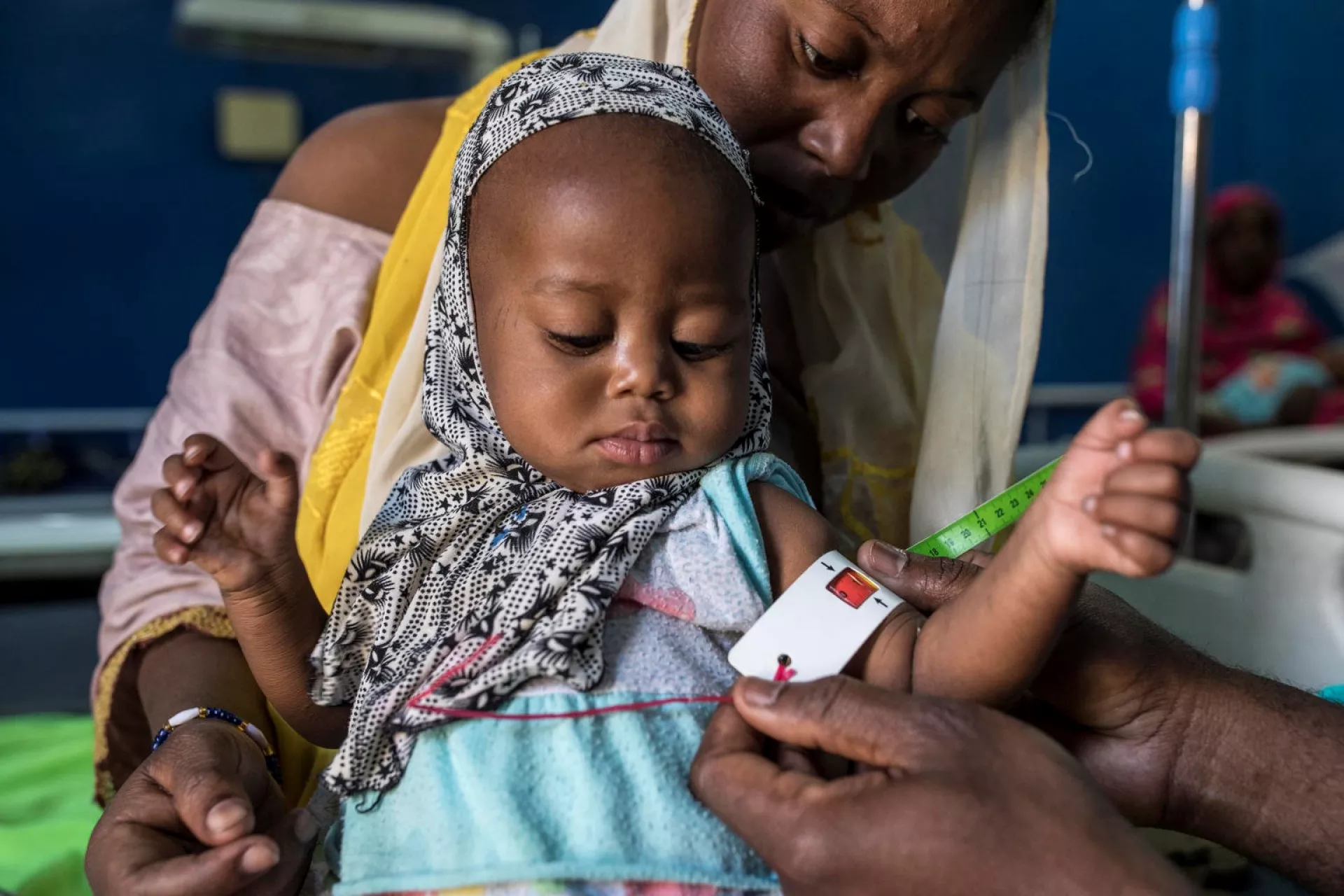
What makes this situation especially tragic is that most of these deaths are avoidable. The main killers of children: malaria, pneumonia, diarrhoea, malnutrition and birth-related complications all have proven, affordable solutions.
At the same time, Africa continues to bear the greatest burden of HIV, even as global attention drifts elsewhere. WHO and UNAIDS warn that momentum toward ending HIV has stalled, placing many African countries off course to meet the 2030 goal of ending AIDS as a public health threat.