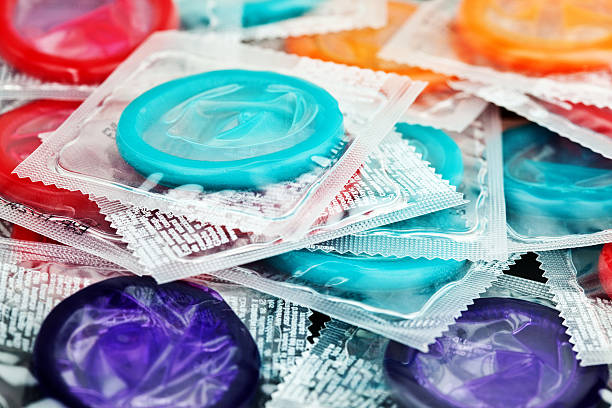
China is preparing to impose a tax on contraceptives for the first time in more than 30 years, in a fresh attempt to encourage citizens to have more children.
Under newly released tax regulations, contraceptive products, including condoms and birth-control drugs will lose their exemption from China’s 13% value-added tax starting January 1, 2026.
The move comes as the country struggles with a sharp population decline. Official data from the National Bureau of Statistics shows that China recorded 9.5 million births in 2024, a steep drop from the 14.7 million babies born in 2019. During the same period, deaths exceeded births, and in 2023, India overtook China as the world’s most populous nation.
The policy has sparked criticism and sarcasm across Chinese social media, with many users arguing that the high cost of raising a child far outweighs the price of contraception, taxed or not.
“That’s an extremely harsh decision,” said Hu Lingling, a mother of one who says she has no plans to expand her family. “I’d rather choose abstinence than have another child,” she added, recalling China’s past family-planning policies.
Others noted the irony of the decision, referencing the era when the state enforced birth limits through fines, forced abortions, and denial of legal identity to children born outside the rules.
Health experts have also raised concerns that higher contraceptive costs could lead to more unintended pregnancies and sexually transmitted infections, particularly among lower-income groups.
Qian Cai, director of the University of Virginia’s Demographics Research Group, warned that reduced access to contraception could increase abortions and healthcare costs, while still having “very limited” influence on whether couples choose to have children.
“For people who already don’t want children, a 13% tax won’t change their minds,” she said.
However, Yi Fuxian, a senior scientist at the University of Wisconsin–Madison, defended the move, calling it a return to treating contraceptives as regular consumer goods after decades of strict population control.
China previously limited families to one child from about 1980 until 2015, later expanding the cap to two children, and then three in 2021 as the population began to shrink.
Whether taxing condoms will actually boost births remains an open question, and one many Chinese citizens appear deeply skeptical about.