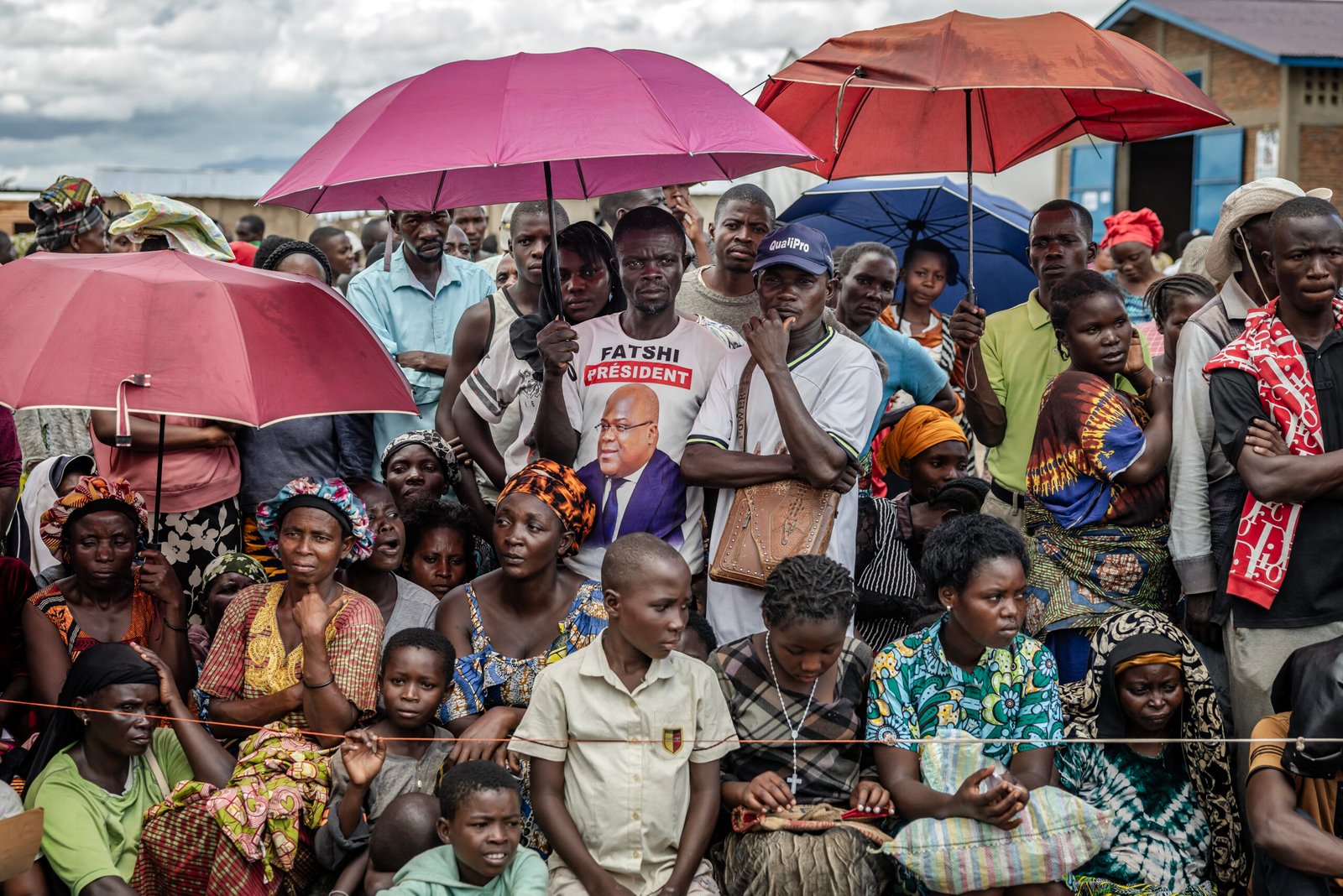
A growing wave of Congolese civilians is fleeing into neighbouring Burundi as fighting intensifies in eastern Democratic Republic of Congo.
The fresh exodus follows reports that more than 400 civilians have been killed since the M23 rebel group stepped up attacks in South Kivu province, according to regional authorities.
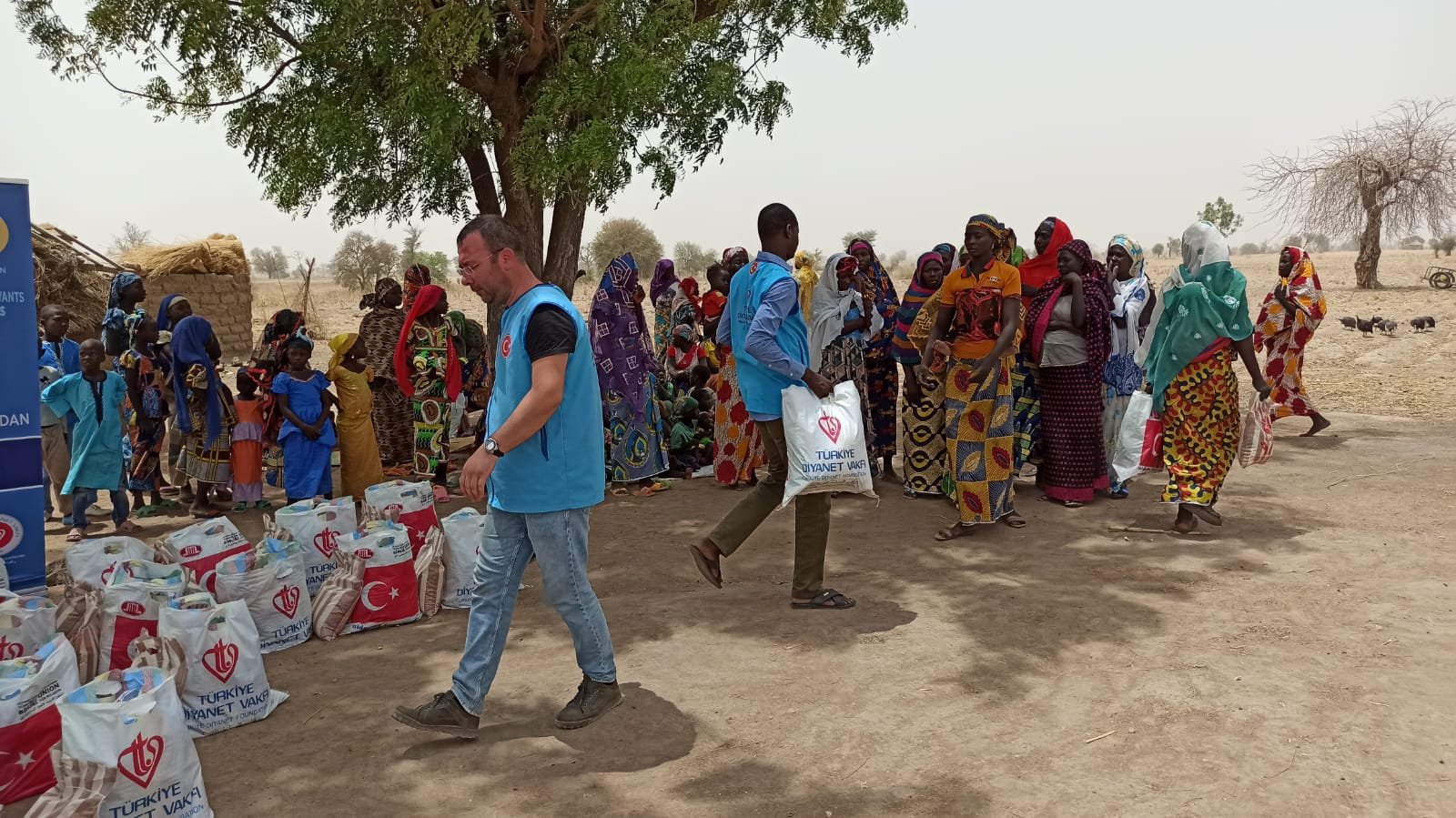
At the temporary Kansega camp in western Burundi, refugees say conditions are unbearable. Many told reporters they are surviving without clean water, toilets, or proper shelter.
Arriving with nothing, the displaced families described long, painful journeys marked by fear and suffering before crossing the border.
“We are begging President Paul Kagame to show compassion,” said Congolese refugee Nayonde Mbilize. “If we are told to return home, we will. We are asking for mercy.”
UN partners on the ground say more than 200,000 people have been forced from their homes across South Kivu since December 2, with over 70 deaths confirmed so far.
The UN refugee agency is preparing to open additional camps to manage the rising number of arrivals.
Security fears remain high, as both refugees and host communities are still within reach of artillery fire. Reports indicate that shells have already landed in Rugombo, a town on the Burundian side of the border, raising alarm that the violence could spill into Burundi.
The surge in fighting comes even after a U.S.-brokered peace deal was signed last week in Washington by the presidents of Congo and Rwanda. The agreement, however, does not include M23, which is holding separate talks with Congolese authorities. Both sides accuse each other of breaking an earlier ceasefire.
The deal requires Rwanda to stop backing armed groups and support efforts to restore peace.
Eastern Congo remains unstable, with more than 100 armed factions competing for control of its mineral-rich areas, especially near the Rwandan border. M23 is the most prominent among them.
According to the UN refugee agency, the conflict has triggered one of the world’s worst humanitarian crises, displacing more than seven million people.