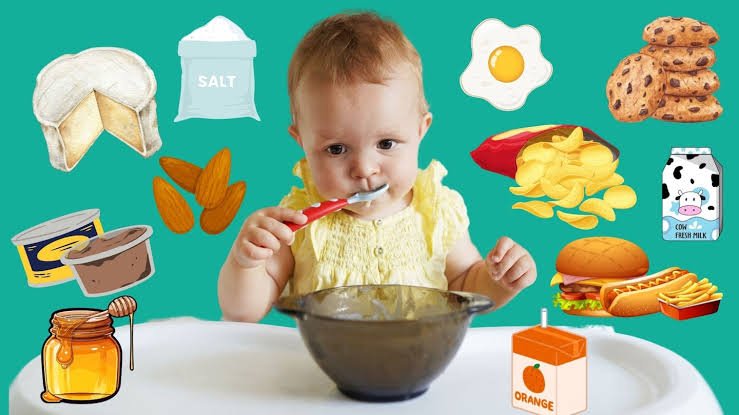
Proper nutrition is essential for children’s growth, development, and overall health. While some foods are beneficial, others can be harmful, especially at an early age. Parents and caregivers need to be aware of which foods to limit or avoid to keep children healthy and safe.
One major group of foods to avoid is high-sugar items. Candies, cakes, soft drinks, and sweetened snacks can lead to tooth decay, obesity, and an increased risk of diabetes later in life. Early exposure to sugary foods can also create unhealthy eating habits that last into adulthood.
Processed and fast foods are another category children should avoid. Burgers, fried foods, and packaged snacks often contain unhealthy fats, preservatives, and high salt levels. These can affect heart health, blood pressure, and proper growth.
Caffeinated drinks, including sodas and energy drinks, are not suitable for children. Caffeine can affect sleep patterns, increase anxiety, and harm developing nervous systems.
Raw or undercooked foods, like certain eggs, meat, or seafood, can carry harmful bacteria that may cause serious illnesses in children with weaker immune systems.
Some foods that are common allergens, such as peanuts or shellfish, should also be introduced carefully and under guidance, depending on the child’s age and family history of allergies.
Finally, foods high in artificial additives, colorings, and preservatives should be limited, as they may contribute to hyperactivity and other health problems in children.In conclusion, avoiding these foods in early childhood helps children develop healthy eating habits, supports proper growth, and protects them from diseases. Parents should focus on balanced meals with fresh fruits, vegetables, whole grains, lean proteins, and plenty of water to ensure children grow strong and healthy.