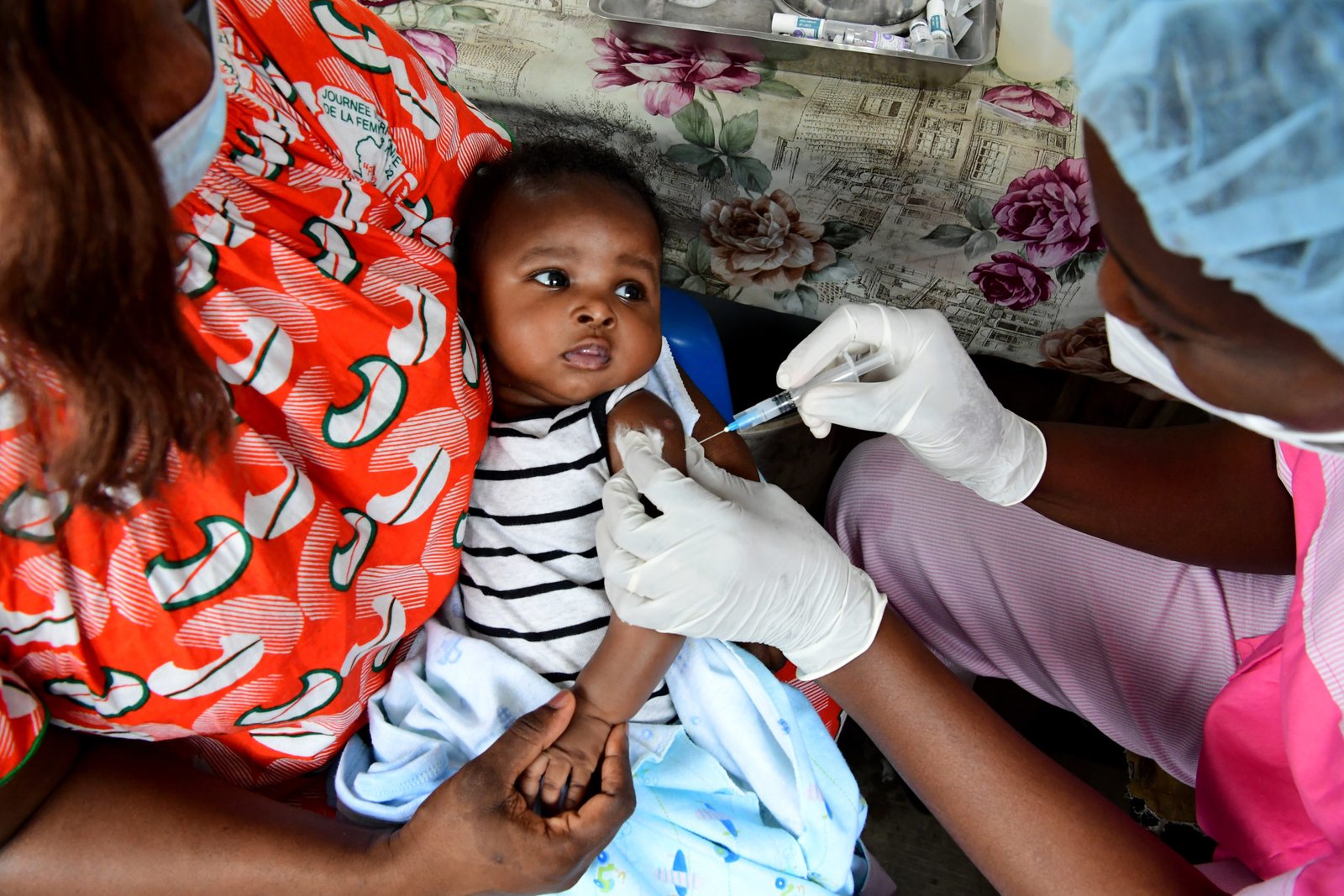
Immunization remains one of the most powerful tools in safeguarding the health and survival of African children. In a continent where preventable diseases once claimed millions of young lives, vaccines have changed the story, turning vulnerability into protection and hope.
Immunization prepares a child’s immune system to resist diseases before they strike, allowing children to grow, learn, and live without the constant threat of infections.
The importance of immunization in Africa cannot be overstated. It reduces child mortality, prevents long-term disability, and helps build stronger communities. When children are vaccinated, families spend less on hospital care, and countries save resources that can be invested in education, development, and poverty reduction.
Vaccines have already helped reduce polio cases across Africa to near elimination, lowered deaths from measles, and prevented thousands of pneumonia and tuberculosis cases yearly. A vaccinated child is not only protected individually but also contributes to herd immunity, helping protect those who cannot be vaccinated due to illness or age.
Different age groups require different vaccines for full protection. Newborns to 6 weeks old are often given vaccines such as BCG (to protect against tuberculosis), Hepatitis B, and Oral Polio Vaccine. By 10 to 14 weeks, children receive more doses of polio, DPT (for diphtheria, pertussis, tetanus), and pneumococcal vaccines to strengthen immunity. At 9 months, measles and yellow fever vaccines are administered to shield them from two dangerous diseases.
Additional vaccines like rotavirus, meningitis, and HPV can also be included depending on national programs.
Immunization is not just a medical routine, it is an investment in Africa’s future. Every child vaccinated is a step toward a healthier generation, a stronger continent, and a brighter tomorrow. Protecting children today means empowering the leaders of tomorrow to thrive.