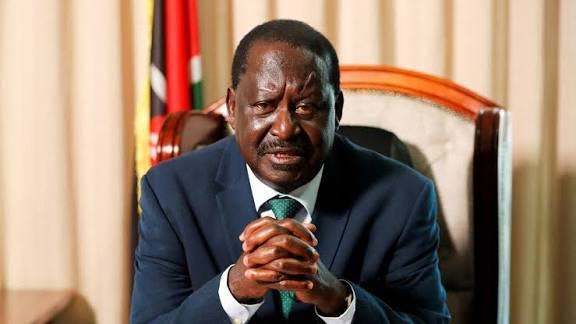
Grief filled the streets of Nairobi on Wednesday as Kenyans came out in large numbers to mourn the passing of former Prime Minister Raila Odinga, a towering figure in the nation’s political history.
Odinga reportedly died in India after suffering a heart attack while on a private trip. He was 80 years old.
Though he never achieved the presidency, Odinga remained one of Kenya’s most beloved and respected leaders, admired both locally and internationally for his lifelong dedication to democracy and justice.
Affectionately called “Baba”,a Kiswahili term meaning father. Odinga commanded deep loyalty from millions of Kenyans who viewed him as a symbol of resilience and hope.
“I was in the house about to drink tea when I saw online that Baba had died,” said Mary Daniel, a resident of Kibera, one of Nairobi’s largest slums. “I didn’t believe it at first, so I asked my friends. When they confirmed it was true, I lost all strength, I couldn’t even drink my tea.”
Odinga played a defining role in shaping modern Kenyan politics. A champion of multiparty democracy, he fought tirelessly for political freedom and served as Prime Minister from 2008 to 2013. Despite losing in five presidential elections, his influence never faded.
Recently, Odinga reached a political agreement with President William Ruto, allowing members of his opposition party to participate in government decision-making and join the cabinet, marking a rare moment of unity in Kenya’s divided political landscape.
“Baba gave us democracy; he is our hero,” said longtime supporter Charles Omondi. “Whenever there was tension, he would calm us down. Baba was the voice of reason, not just for Kenya but for all of Africa.”
In honour of Odinga’s legacy, President Ruto declared a seven-day national mourning period, ordering flags to be flown at half-staff across the country.
Odinga leaves behind a political legacy deeply etched into Kenya’s history that of a man who fought for freedom, unity, and the voice of the common people.