Six months have passed since Sudan’s Armed Forces regained control of Khartoum, but the aftermath of two years of intense fighting continues to endanger residents. People returning to the city now face environmental threats that put millions at risk.
More than two and a half years of clashes between the Sudanese army and the paramilitary Rapid Support Forces (RSF) have severely damaged the country’s economy, environment, and public health.
Across Sudan, damaged factories, chemical leaks, and failing public services are exposing communities to serious health risks.
“Our factory was hit, and we lost control of the stored materials. RSF burned large parts of it, and we were worried about leaks, but there was no access for repairs and no authorities to manage the site safely,” said Mamoun Geely, a factory owner in the Omdurman Industrial Area.
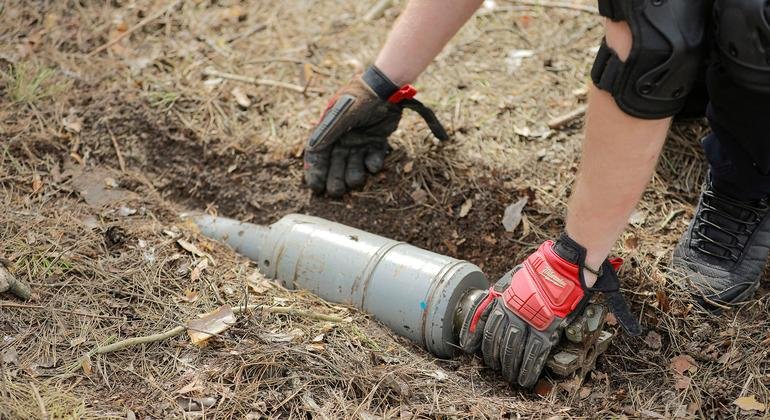
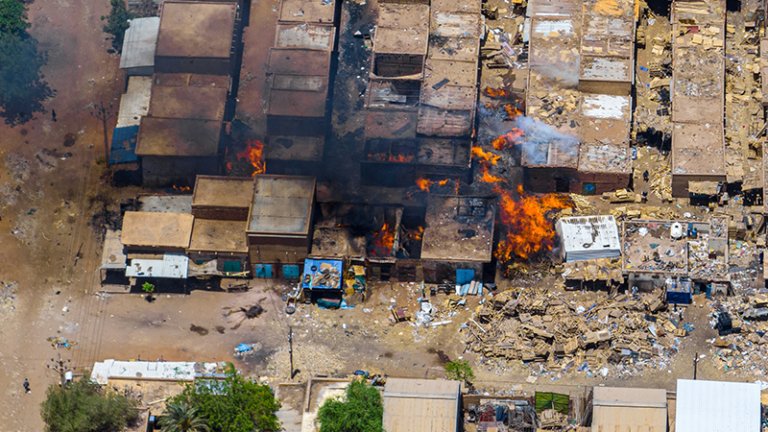
In Khartoum, key industrial and energy facilities remain in ruins. Many sites still hold hazardous chemicals, and their proximity to residential areas means pollution is directly affecting communities already struggling with hardship.
“The capital was occupied by the RSF militia for two years. Health facilities were taken over as well, creating environments for disease outbreaks. This prevented any efforts to control pandemics, as the state was a war zone. Medical staff were targeted and killed, and ambulances were looted,” said Taha Bedawi, an environmental expert.
Buildings destroyed by explosives have released materials like asbestos, a chronic respiratory hazard. With no capacity to clear debris, families remain exposed to toxic dust, worsening health risks across the city.