Uganda’s Electoral Commission has officially announced January 15 as the date for the country’s general elections, marking another chapter in the nation’s tense political history.
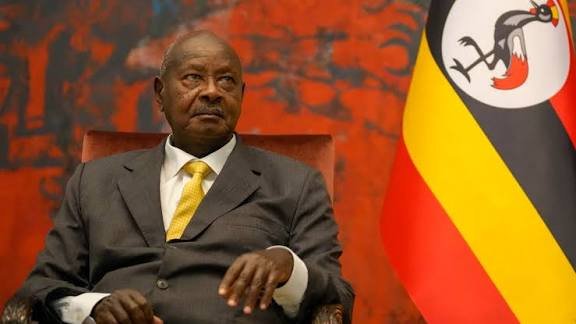
President Yoweri Museveni, aged 81, who has ruled Uganda since 1986, will once again be on the ballot, seeking to extend his nearly four-decade grip on power.
Now Africa’s fourth-longest serving leader, Museveni’s administration has amended the constitution twice, first to remove term limits, and later to scrap age restrictions, allowing him to remain eligible to run.
Once hailed as a former rebel leader who brought stability and economic growth to Uganda and played a major role in fighting HIV/AIDS, Museveni’s legacy has become deeply divisive.
Critics accuse his government of silencing opposition voices, abusing human rights, and fostering corruption, allegations his administration has consistently denied.
His main challenger in the upcoming polls is expected to be Bobi Wine, the popular musician-turned-politician whose real name is Robert Kyagulanyi.
Bobi Wine has used his celebrity status to galvanize a massive youth following, presenting himself as the face of change and defiance against the country’s aging leadership.
He previously ran against Museveni in the 2021 elections, claiming the contest was marred by vote rigging, intimidation, and bribery, charges the ruling National Resistance Movement (NRM) dismissed as false.
Aside from Museveni and Wine, six other presidential candidates from smaller political parties have joined the race.
Ugandans will also vote for members of parliament in what is expected to be a highly charged election season closely watched across Africa and beyond.