The United Nations food agency announced on Wednesday that its ongoing operations to fight severe hunger in Sudan are beginning to show some positive movement.It confirmed that aid delivery has expanded in 10 regions where famine was declared last year, and in 9 of those areas, the famine risk has now been downgraded.
Even with the improvements, the World Food Programme stressed that Sudan remains one of the world’s largest hunger emergencies, with famine still confirmed in two zones.
“That’s in the Darfur states and in the Kordafan states in the south. One of the biggest challenges is access. That is affecting major locations like the city of El-Fasher and Kadugli,” said Shaun Hughes, the agency’s regional emergency coordinator.
He said the second challenge is funding.
“We are currently reaching around four to five million people every month, but most are receiving reduced food assistance. By January, we won’t have sufficient resources to maintain that level of help,” he said.
Sudan’s war erupted in April 2023 after a bitter struggle for power between the army and the Rapid Response Forces.
The conflict has left more than 40,000 people dead, a number humanitarian groups say is a huge underestimate, and displaced well over 14 million people.
However, since early 2025, the number of people receiving aid in areas that were once declared in famine, or at high risk of famine, has tripled, WFP said.
This is because access has improved in places that were once nearly unreachable, including Khartoum, the capital.
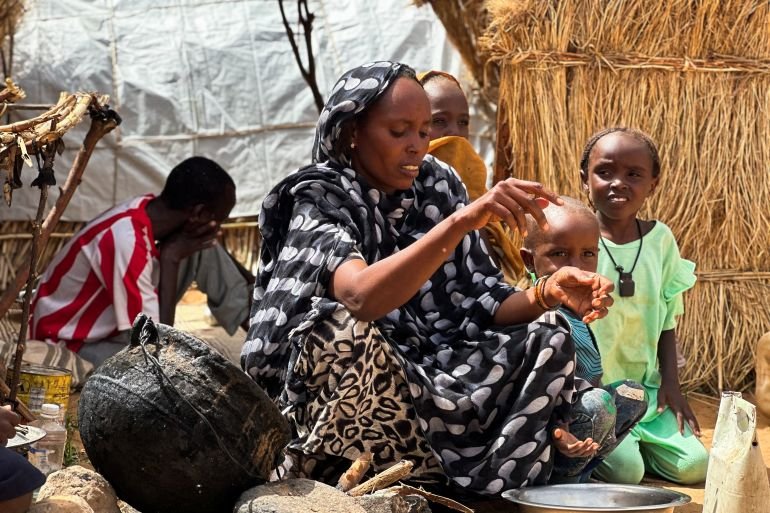
Hughes added that the WFP is now on the ground in Darfur where hundreds of thousands of people have escaped from El-Fasher and nearby regions in recent weeks.
“We are helping those who arrive in new locations. For instance, more than half a million people have reached Tawila,” he said.WFP teams are providing support there and in other parts of north Darfur and the northern regions.
“So we have to stay flexible and able to redirect convoys and food assistance depending on a very tense and fast-changing situation,” he said.
The agency estimates that over 21 million Sudanese are facing serious hunger. With more funding and better access, they say they could reach even more people each month and help create the conditions for families to safely return home.