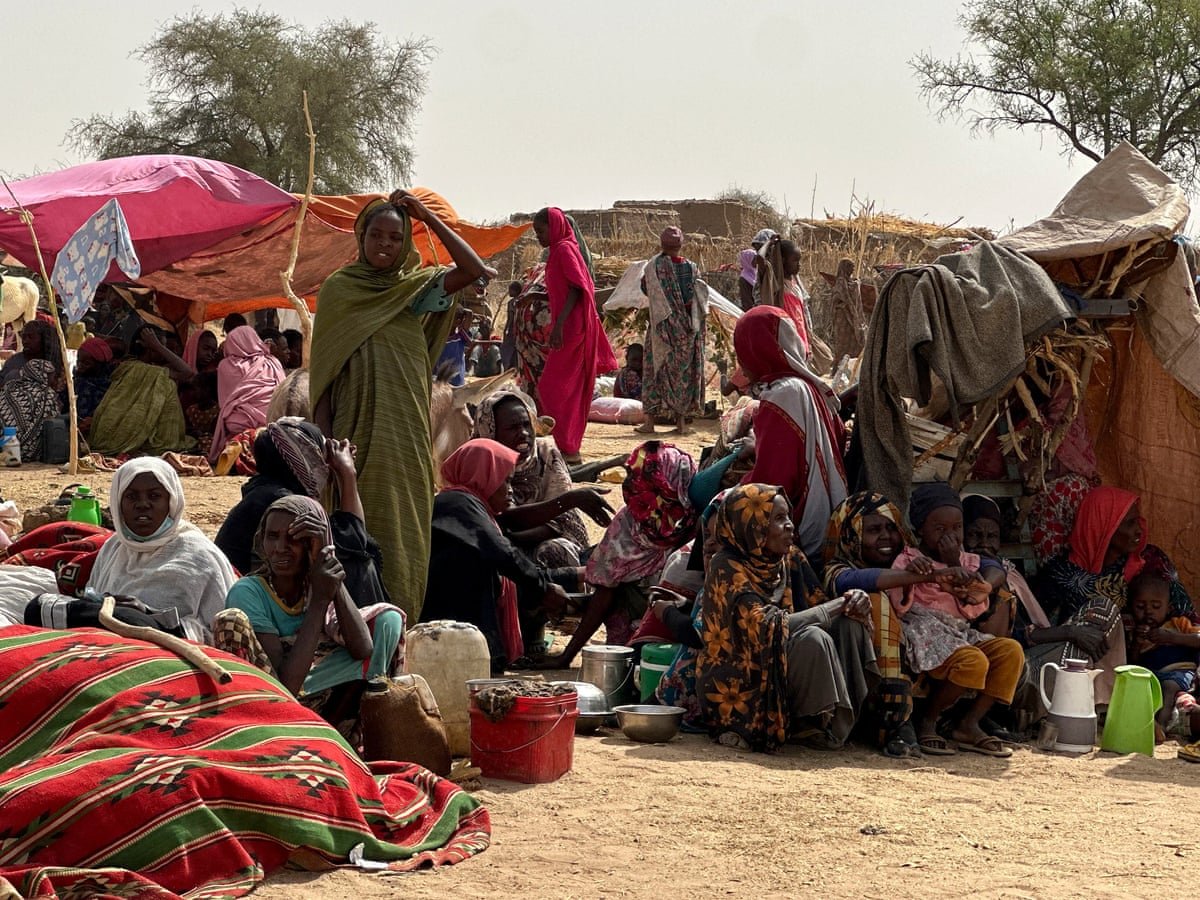
A new UNICEF analysis reveals that over 400 million children worldwide are living in poverty, missing out on at least two essential needs such as proper nutrition and basic sanitation.
The latest report cautions that even more children could fall into poverty as global funding cuts, conflict, and climate pressures threaten access to services vital for health and overall wellbeing.
According to The State of the World’s Children 2025: Ending Child Poverty, Our Shared Imperative, released on World Children’s Day, more than 1 in 5 children in low- and middle-income nations about 417 million are suffering from severe deprivation in at least two critical areas necessary for their development and safety.
The report covers data from over 130 low- and middle-income countries, assessing multidimensional poverty across six measurements: education, health, housing, nutrition, sanitation, and water. Findings show that 118 million children face three or more deprivations, while 17 million endure four or more.
Sub-Saharan Africa and South Asia record the highest levels of child poverty. In Chad alone, 64 percent of children experience two or more severe shortages, and nearly a quarter face three or more.
Sanitation remains the most widespread deprivation. In low-income countries, 65 percent of children lack access to a toilet; the numbers drop to 26 percent in lower-middle-income countries and 11 percent in upper-middle-income countries.
Poor sanitation increases children’s risk of disease and long-term health challenges.
There has been progress: the proportion of children in low- and middle-income countries facing at least one severe deprivation decreased from 51 percent in 2013 to 41 percent in 2023. This improvement is linked to governments placing child rights at the center of policy and economic planning. However, advancement is slowing.
Ongoing conflict, climate shocks, demographic changes, rising national debt, and deepening technological inequalities are pushing families further into hardship.
Additionally, record cuts in Official Development Assistance (ODA) threaten to worsen child deprivation in already vulnerable regions.
Still, the report stresses that ending child poverty is achievable.
Tanzania, for example, reduced multidimensional child poverty by 46 percentage points between 2000 and 2023, driven partly by government cash support programs that helped families make their own financial choices.
Bangladesh recorded a 32-percentage-point drop during the same period after government efforts expanded education and electricity access, upgraded housing standards, and invested in water and sanitation, bringing open defecation down from 17 percent in 2000 to zero by 2022.
Child poverty affects nearly every part of a young person’s life, weakening health, slowing learning, reducing future job opportunities, shortening life expectancy, and increasing the risk of mental health struggles.
The youngest children, those with disabilities, and children living in crisis zones are most at risk.
The report also addresses monetary poverty, which limits access to food, schooling, and healthcare. Current data shows that more than 19 percent of children globally survive on less than US$3 per day.
Nearly 90 percent of these children are in Sub-Saharan Africa and South Asia.In 37 high-income countries studied, around 50 million children, 23 percent of the child population live in relative monetary poverty, meaning their family income is far below the national average, restricting their ability to engage fully in normal everyday life.
Although child poverty dropped by an average of 2.5 percent across these countries from 2013 to 2023, progress in many places has slowed or begun to reverse.