At a media briefing today in Kaduna, UNICEF issued a serious warning as part of the #PolioStopsWithME campaign, stressing that the final phase of polio eradication is the hardest and demands full commitment.
Ibrahim Mohammed, Social & Behavior Change Specialist at the UNICEF Kaduna Field Office, noted that this is not the moment to relax, as negligence could lead to a dangerous return of the virus, especially in communities with weak immunity.
“The cost of inaction is far greater than the cost of finishing the job,” UNICEF stated, warning that slowing down could wipe out years of progress and leave children exposed to paralysis and death.
Although the number of cases has declined since 2023 due to strong national leadership and global support, the fight remains fragile. Fresh outbreaks continue to endanger progress, putting millions of children at risk. The danger is made worse when vaccination campaigns fail to reach children in remote, underserved, and conflict-affected communities.
To secure a polio-free world, UNICEF is calling for urgent action and asking governments to put eradication at the top of national health priorities. This includes sustainable domestic and international funding, strengthening primary health care, and expanding polio vaccination alongside nutrition and other immunization services.
Safe and effective vaccines remain the strongest protection against paralysis and death. UNICEF says high-quality vaccination drives and strong routine immunization not only protect children from polio but also improve health systems and shield communities from other preventable diseases. Major obstacles include reaching “zero-dose children” and fighting vaccine hesitancy.
UNICEF stresses the need to stop misinformation and rumours and calls for strong engagement with communities and local leaders to build lasting trust.
The agency also highlights the powerful role of children and young people, who are not just beneficiaries but active defenders of a polio-free future. Their voices, UNICEF says, must help shape health campaigns and hold leaders accountable.
The road to eradicating polio is clear, but it requires one final united effort. With political will, proper funding, and strong community involvement, the goal is within reach, only if momentum is maintained to the very end.
As part of its presentation, UNICEF introduced the campaign “Key Messages to Address Non-Compliance Due to Economic Hardship,” reframing vaccination as a smart financial decision for families. The key idea is that preventing disease is cheaper than treating it.
“Times may be hard economically for families right now, but not vaccinating our children will cause even more economic hardship,” one of the messages states. It warns that the “burden of care will increase for families” if a child becomes infected with polio.
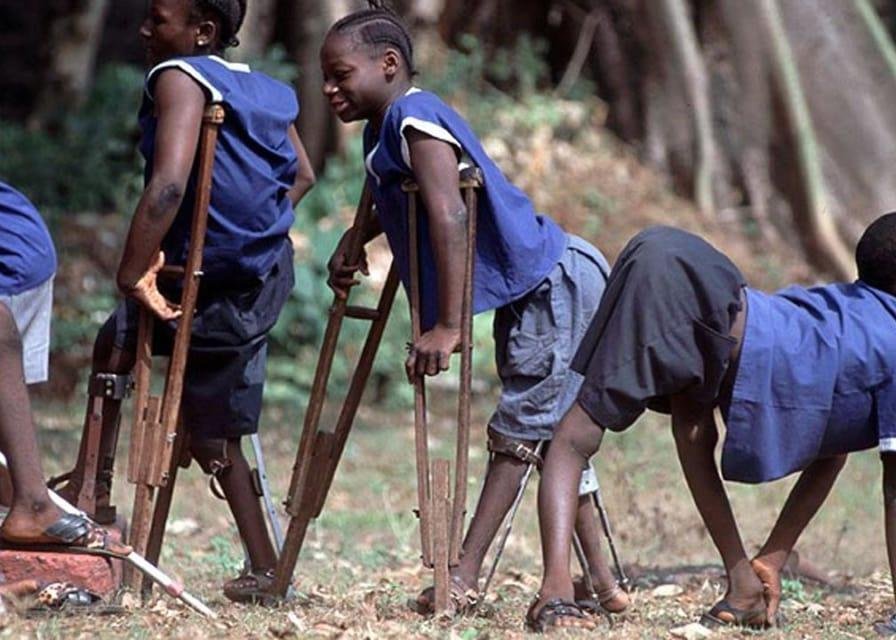
The materials draw a direct comparison between temporary financial struggle and permanent disability. “Economic hardship may last for a short while, but the effect of polio is lifelong,” one message says, adding, “Economic hardship may change, but a child with polio will not.”
The campaign urges parents to view vaccination as a necessity. “Protecting our children against polio and other vaccine-preventable diseases saves us money that would otherwise be spent on medical bills,” another message reads. It ends with: “It is easier to deal with economic hardship with a healthy family.”