The world is once again observing the International Day for the Elimination of Violence Against Women and Girls, celebrated every 25 November to draw global attention to this ongoing crisis.
For 2025, the United Nations has focused the campaign on stopping online abuse. “We cannot allow digital spaces to be yet another place where women and girls are unsafe,” UN Secretary-General António Guterres said in a statement.
This year also marks two significant milestones: 30 years since the Beijing Declaration and 25 years since the UN Security Council Resolution on Women, Peace and Security, both key pillars in the worldwide push to end gender-based violence.
Despite decades of effort, violence against women remains widespread, especially across Africa. UNICEF reports that more than 79 million girls and women in sub-Saharan Africa were raped or sexually assaulted during childhood.
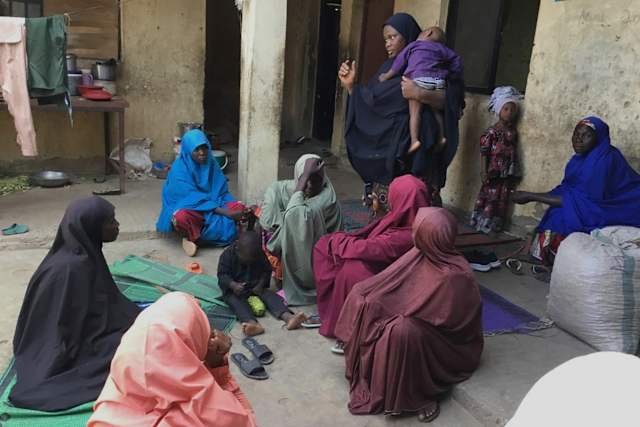
Conflict zones are among the hardest hit areas. In Sudan, women escaping El-Fasher have spoken of killings, systematic rape, and missing children after the Rapid Support Forces seized the city last month.
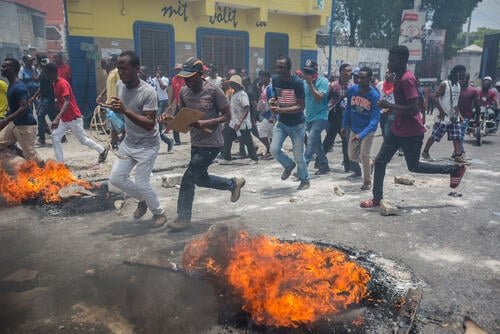
Rising action across nations and regionsSouth Africa captured headlines recently as women staged protests against gender-based violence ahead of the G20 summit. According to UN Women, the country’s femicide rate is five times higher than the world average.
In response, the South African government has declared gender-based violence a national disaster, a move that compels authorities to take coordinated action and allocate resources to address the problem.
At the continental level, the African Union adopted a Convention on Ending Violence Against Women and Girls earlier this year. Once ratified, it will become a legally binding commitment for member states to eliminate gender-based violence.
So far, only Angola, Burundi, the Democratic Republic of Congo, Djibouti, Liberia, and The Gambia have signed the treaty as of July 2025.